
The Idle Air Control Motor (IAC), also referred to as the Throttle Air Bypass Valve (TABP), is a stepper motor controlled by the vehicle’s onboard computer. The computer moves the pintle in and out of a bypass passage around the throttle blade to precisely regulate airflow at idle. This allows the engine to maintain a stable idle speed when varying loads—such as A/C operation, power steering input, or electrical demand—are placed on the engine.
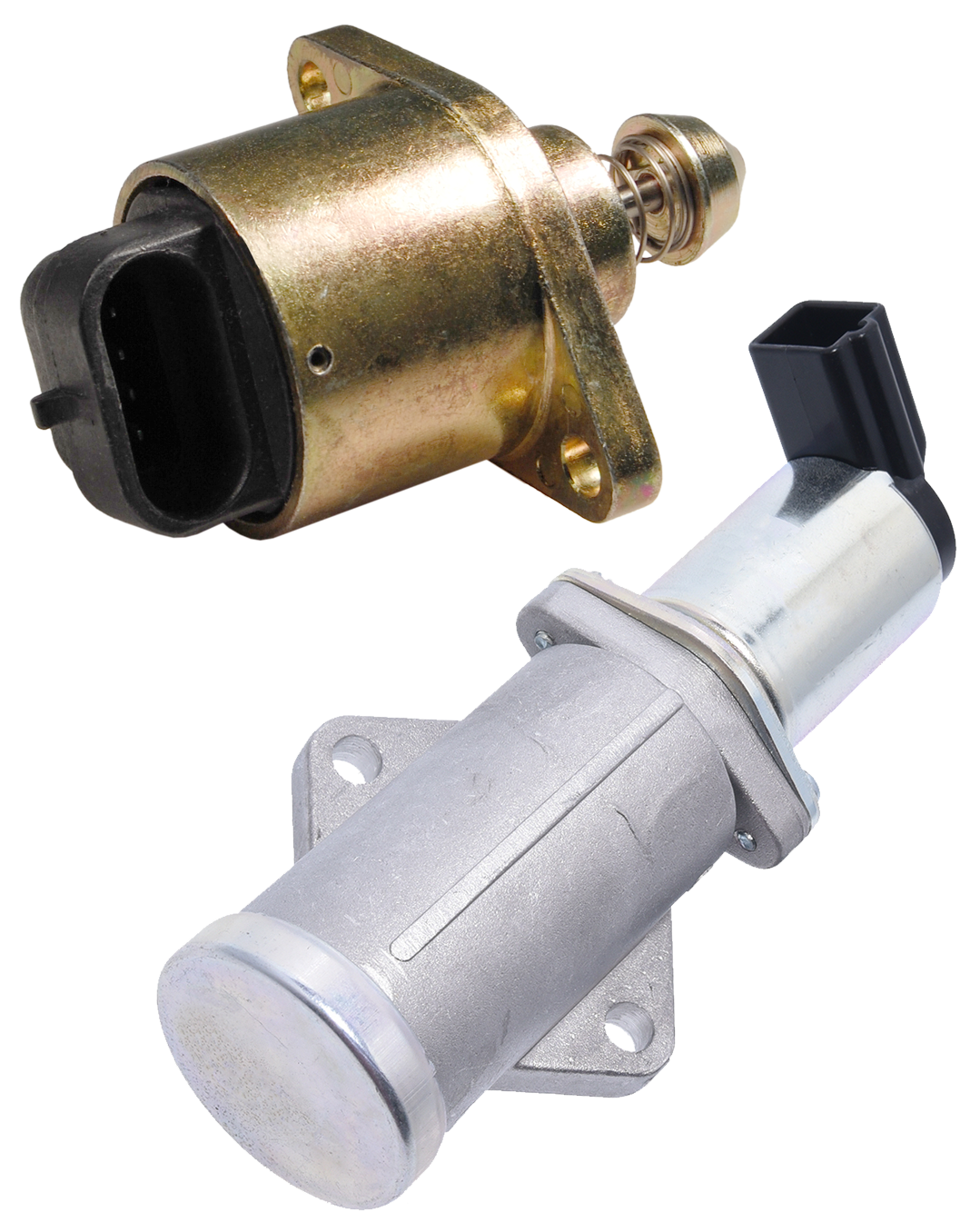
How It Works:
- The vehicle’s ECU or PCM commands the IAC stepper motor to adjust pintle position
- The pintle opens or restricts the air bypass passage around the throttle blade
- This controlled airflow maintains the target idle speed under changing load conditions
- The ECU constantly monitors engine parameters to adjust the IAC in real time
- Proper IAC function ensures smooth idling and prevents stalling
Symptoms of a Failing Idle Air Control Motor:
- Engine surging or stalling
- Poor or unstable idle quality
- Idle speed too high or too low
- Hard starting or stalling immediately after start
- Check Engine Light on
Product Features & Benefits from Walker Products:
- Exact OE Fit – Direct-fit design ensures simple installation and correct alignment
- OE Replacement Quality – Manufactured to meet or exceed original performance
- Precision-Engineered Pintle Movement – Provides consistent, accurate idle control
- Durable Construction – Resists contamination, sticking, and long-term wear
- Restores Idle Stability – Improves drivability and proper air regulation
- Long Service Life – Designed to perform under varying load and temperature conditions
Common Check Engine Light (CEL) / OBD-II Codes
In accordance with the EPA’s OBD-II standards (adopted in 1996 and later expanded to heavy-duty applications), the following Diagnostic Trouble Codes (DTCs) are commonly associated with Idle Air Control Motor faults.
Use this list as a general reference only. Always consult a qualified technician and follow vehicle manufacturer and EPA guidelines for diagnostics, sensor replacement, and ECU/PCM relearn procedures.
- P0505 – Idle Air Control System
- P0506 – Idle Air Control System RPM Lower Than Expected
- P0507 – Idle Air Control System RPM Higher Than Expected
- P0508 – Idle Air Control System Circuit Low
- P0509 – Idle Air Control System Circuit High
- P050A – Cold Start Idle Air Control System Performance
- P050D – Cold Start Rough Idle
- P0511 – Idle Air Control Circuit
- P0518 – Idle Air Control Circuit Intermittent
- P0519 – Idle Air Control System Performance
- P2104 – Throttle Actuator Control System – Forced Idle
- P2176 – Throttle Actuator Control System – Idle Position Not Learned
- P2177 – System Too Lean Off Idle
- P2178 – System Too Rich Off Idle
- P2179 – System Too Lean Off Idle
- P2180 – System Too Rich Off Idle
- P2187 – System Too Lean at Idle
- P2188 – System Too Rich at Idle
- P2189 – System Too Lean at Idle
- P2190 – System Too Rich at Idle
- P256A – Engine Idle Speed Selector Sensor/Switch Circuit/Open
- P256B – Engine Idle Speed Selector Sensor/Switch Range/Performance
- P256C – Engine Idle Speed Selector Sensor/Switch Circuit Low
- P256D – Engine Idle Speed Selector Sensor/Switch Circuit High
- P256E – Engine Idle Speed Selector Sensor/Switch Circuit
What does an idle air control (IAC) motor do?
An idle air control motor regulates the amount of air entering the engine at idle. It works with the engine control module (ECM) to maintain a stable idle speed under different conditions, such as cold starts or when accessories like the A/C are running.
What are the symptoms of a bad idle air control motor?
Common symptoms include rough or unstable idle, engine stalling, high or low idle speed, and difficulty starting the vehicle. The check engine light may also illuminate.
What happens when an idle air control motor fails?
When the IAC motor fails, the engine can no longer properly control idle speed. This may cause stalling, surging RPMs, or an engine that idles too high or too low.
Can you drive with a bad idle air control motor?
While the vehicle may still run, driving with a failing IAC motor is not recommended. It can lead to stalling, inconsistent performance, and reduced drivability, especially in stop-and-go traffic.
What causes an idle air control motor to go bad?
Common causes include carbon buildup, electrical failure, contamination from dirty air or oil, and normal wear over time.
How do you reset or relearn an idle air control motor?
In some vehicles, the system may reset after disconnecting the battery or performing an idle relearn procedure. However, procedures vary by vehicle, so it’s important to follow manufacturer-specific guidelines.
Is an idle air control motor the same as a throttle body?
No, they are different components. The throttle body controls overall airflow into the engine, while the IAC motor specifically manages airflow at idle.
Will a bad idle air control motor trigger a check engine light?
Yes, a faulty IAC motor can trigger the check engine light and may store diagnostic trouble codes related to idle speed control or airflow issues.
How long does an idle air control motor last?
There is no fixed lifespan, but IAC motors can last many years depending on driving conditions, maintenance, and exposure to contaminants.
Can cleaning an idle air control motor fix the problem?
In some cases, cleaning carbon buildup from the IAC motor can restore proper function. However, if the component has electrical or mechanical failure, replacement is the recommended solution.
How is an idle air control motor different from a mass airflow (MAF) sensor?
The IAC motor controls idle air flow, while the MAF sensor measures incoming air to help the ECM calculate the correct fuel mixture. Both are important but serve different roles.